


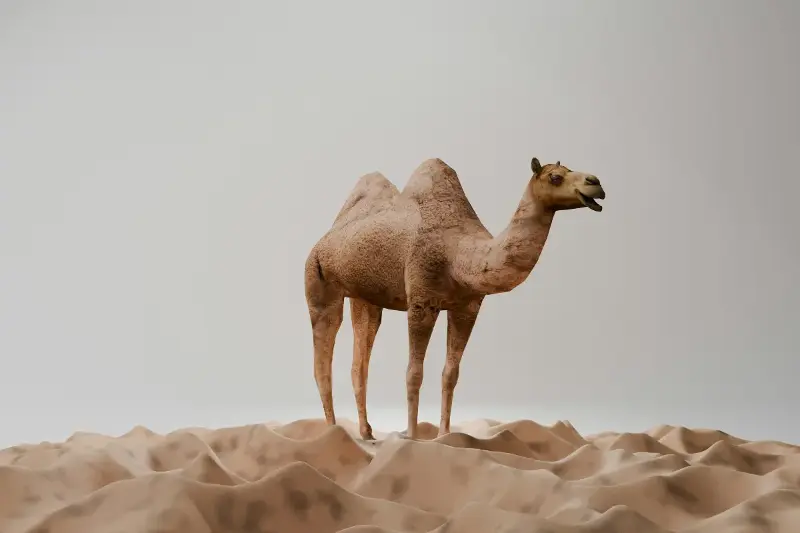
In the world’s hottest deserts, where daytime temperatures climb above 50°C and water can be absent for days, camels do far more than simply endure. These remarkable mammals possess a suite of survival tools that would seem almost impossible in most other species. From oval-shaped blood cells to heat-saving habits, camels have turned Earth's most challenging landscapes into their natural home.
Often called the “ships of the desert,” camels have carried people and goods across arid regions for thousands of years. Yet their true achievement is biological: they travel vast distances with minimal hydration, consume tough desert plants, and remain fully functional through intense heat, freezing nights, and severe sandstorms.
Humps Store Fat, Not Water
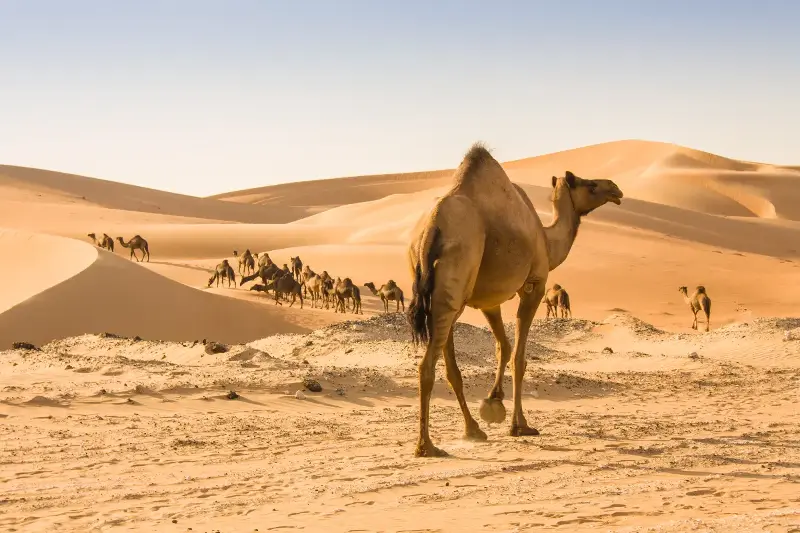
One of the most persistent myths about camels is that their humps store water. In reality, the hump stores dense fatty tissue. A healthy dromedary camel—the one-humped species common in North Africa and the Middle East—can carry up to 36 kilograms of fat in its hump.
Key benefits of this specialized fat storage include:
-
Emergency Fuel: When food is scarce, the camel breaks down fat for energy and metabolic water.
-
Thermal Regulation: Concentrating fat in a single area prevents an insulating layer from covering the rest of the body, allowing heat to escape more easily.
Two-humped Bactrian camels live primarily in the colder deserts and steppes of Central Asia. Their humps store fat to withstand harsh polar-like winters as well as scorching dry summers. Wild Bactrian camels are especially resilient, possessing the rare ability to tolerate water saltier than seawater for short periods.
Built to Save Every Drop
A camel’s water-saving physiology is extraordinary:
-
Dehydration Tolerance: A camel can lose nearly 25 percent of its body weight through dehydration and survive, whereas a 12 percent loss can be fatal for most mammals.
-
Rapid Rehydration: Severely thirsty camels can drink over 100 liters of water in just 10 minutes, rapidly absorbing and distributing fluid throughout the body.
-
Specialized Blood Cells: Oval-shaped red blood cells continue flowing smoothly even when blood thickens during dehydration, expanding safely during rapid water intake.
-
Water Conservation: Efficient kidneys and intestines produce highly concentrated urine and extremely dry droppings, wasting virtually no moisture.

A Natural Cooling System
Camels conserve water by allowing their core body temperature to fluctuate naturally throughout the day—rising from 34°C in the cool morning to over 40°C in the afternoon heat—delaying the need to sweat.
Their physical structure is equally adapted to thermal extremes:
-
Insulating Coat: Their dense fur shields skin from direct solar radiation and slows heat absorption in summer, while providing warmth against icy winter winds.
-
Elevated Stature: Long legs lift the body away from the scorching ground.
-
Broad Padded Feet: Wide, tough foot pads spread body weight across soft sand dunes while protecting against burning surfaces.
Natural Defenses Against Sandstorms
Camels feature specialized facial characteristics custom-built for harsh, dusty environments:
-
Eye Protection: Long eyelashes, bushy eyebrows, and a thin, transparent inner eyelid shield the eyes from blowing dust while maintaining visibility.
-
Sealable Nostrils: Nostrils can close tightly during sandstorms to keep out fine grains.
-
Flexible, Tough Lips: A mobile, split upper lip and tough mouth linings enable camels to browse dry grasses, salty shrubs, and sharp, thorny branches without injury.

Social Dynamics and Ecosystem Role
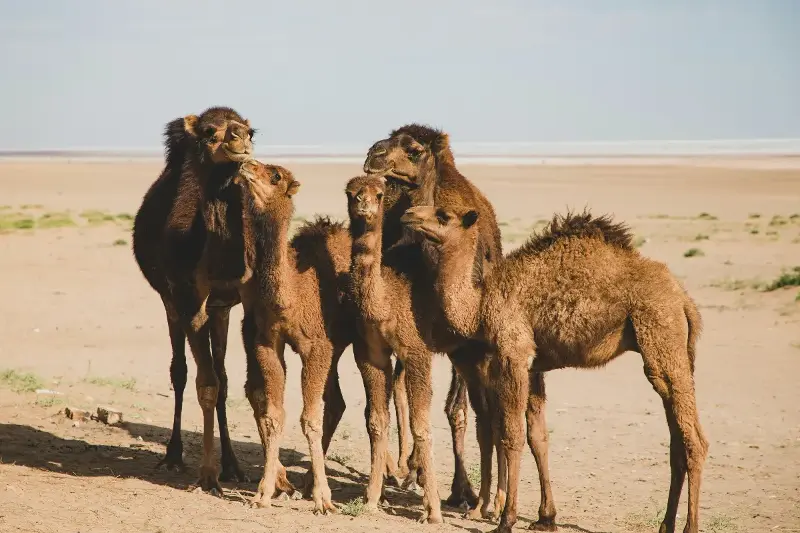
Camels communicate using a wide array of sounds, body postures, and expressions—ranging from low rumbles to loud groans. Mothers form strong bonds with their calves, recognizing them by sound and scent. Highly intelligent animals, camels easily learn routines, remember routes, and recognize familiar handlers.
In arid regions, camels remain vital to human communities, providing transport, milk, wool, and leather. Rich in vitamin C, camel milk offers essential nutrients where fresh produce is scarce. Every feature of the camel—from its unique blood cells to its broad feet—tells the story of an animal perfectly engineered for extreme survival.