



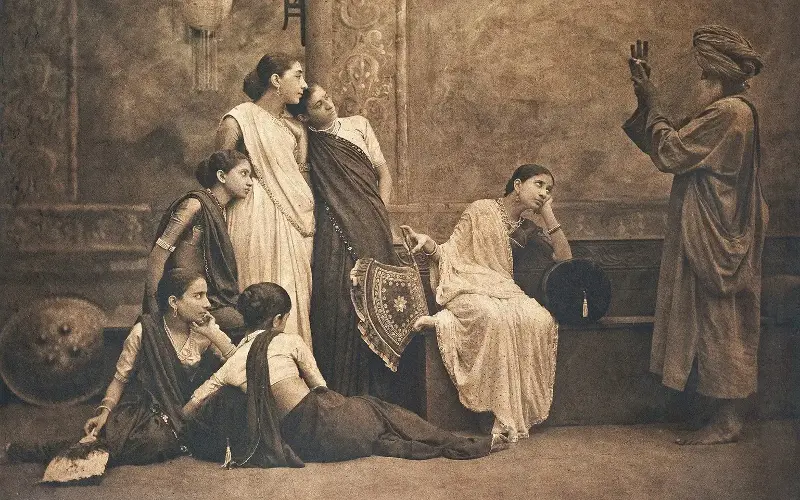
An international photography movement provides the focus for this elegant but etiolated new exhibition at Tate Modern. Pictorialism, as it is known, is hardly a swashbuckling subject, even if it transformed perceptions of photography from the 1880s onwards by employing expressive painterly effects to suggest it should be considered a fine art. Despite polished presentation, the show – called Light and Magic and filled with soft-focus, stilted, excessively polite pictures – proves uninspired. It’s also overly fixated on “global narratives” and photography’s craft. There’s a limit to an audience’s tolerance for grappling with the nuances of printing processes.
Part of the problem is that Pictorialism was modern art’s most submissive movement (if, that is, it may be described as “modern” at all). There’s a cringing aspect to the work of many of its practitioners, who, in their desperation to prove that photography was on a par with painting, rehashed motifs cooked up by famous artists. French photographer Robert Demachy took this to an absurd extreme by hand-working prints in the darkroom until they resembled smudgy charcoal drawings. His effects cannot mask the triteness of his subject matter, so plainly indebted to Degas’s earlier, electrifying pictures of ballet dancers. From a distance, several Chinese photographs look like traditional hanging scrolls.
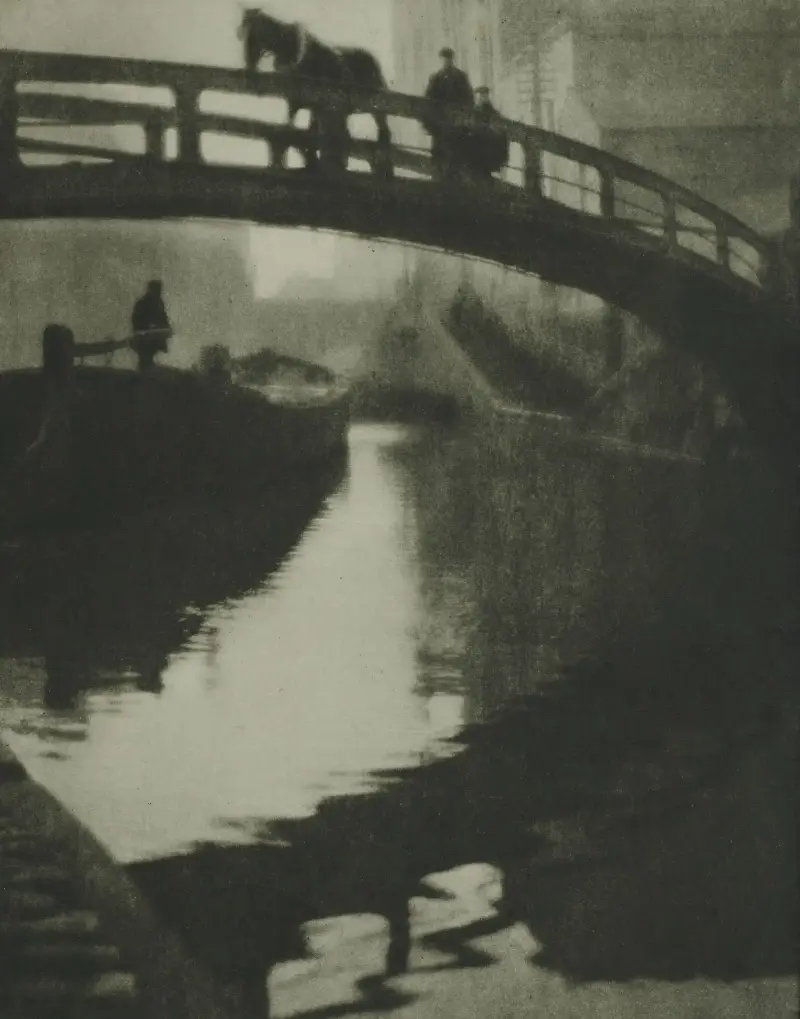
Indeed, the “modernity” of a Pictorialist artwork is often only, and merely, derived from the fact that it’s a photograph. Pictorialism was a movement of camera clubs and societies, but the archaic name of one of the most important, London’s Brotherhood of the Linked Ring, does little to dispel this show’s prevailing atmosphere of dustiness. Neither does a geeky display reproducing photography-salon stickers. What’s more, the Pictorialists’ concern with producing “Art” with a capital “A” surely accounts for their pretentious, pseudo-poetic titles (Spring Allegory; City of Ambition; The Days of Innocence). They smack of trying to instil ho-hum, conventional imagery with import.
Another issue with the exhibition is, as it were, the width of its field of view. These days Tate is obsessed with a “transnational” approach to art history (to rethink modernism’s “foundations” via “a more inclusive perspective”, as the institution’s interim director, Karin Hindsbo, puts it in the catalogue). Here, the curators adhere to this in-house creed by assembling disparate work from far-flung places in rooms with bland titles such as “Cosmopolitan Networks” and “Local Voices, Global Conversations”. This may please Tate’s managers, but I’m not sure it elucidates much, since it makes it hard to get a handle on Pictorialism, except in the loosest sense. Pictorialists, we’re told vaguely, were keen on effects of “poetry”. Light and Magic could have been called “Smoke and Mirrors”.
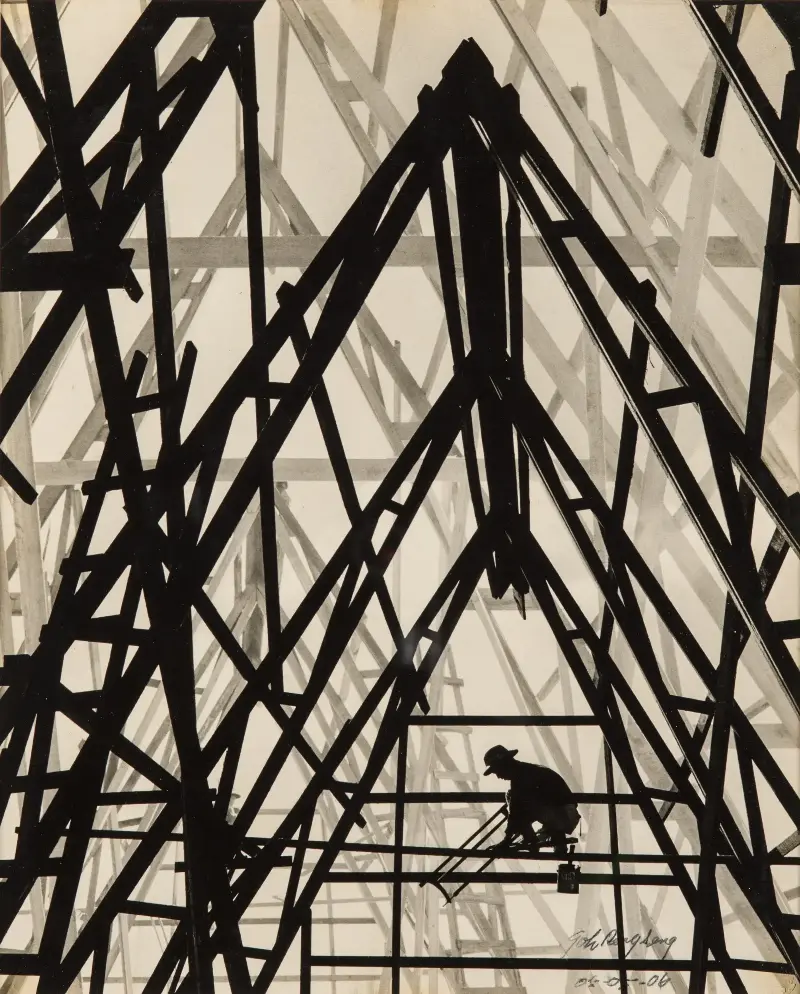
Of course, several exhibits are charming. Some, even, are strong. Edward Steichen’s crisp, immaculate portrait of fellow photographer Alfred Stieglitz is superb – but how is it “Pictorialist”? The most dynamic photographs on display – those that still feel up-to-date and devoid of insincerity – are Modernist images by the likes of Aleksandr Rodchenko smuggled in towards the end. The truth is that it never seems as if the curators themselves are excited by their subject. And if they can’t muster much enthusiasm, why should we?
Light and Magic: The Birth of Art Photography is at Tate Modern, London SE1, from Oct 14–Feb 21. Details: tate.org.uk